


Assiniboia Downs – The Last Man Standing. (Bob Gates)
By Track Historian Bob Gates
Last Monday evening I was in the Winner’s Circle to present the R. J. Speers’ trophy to the winning connections. After watching Steve Keplin Jr.’s Judo lay a beating on his opponents in the 67th running of the Speers, my mind turned to the man behind the race, Robert James Speers.
If it weren’t for Mr. Speers, what would racing look like, or, for that matter, would there be racing in Winnipeg? Let’s consider the current state of horse racing in Western Canada.
Hastings Racecourse in British Columbia is gone. So are Stampede and Northlands Parks in Alberta. Saskatchewan fared no better; its Marquis Downs was boarded up a few years back. Of all the old group, Winnipeg’s Assiniboia Downs is all that remains of that past.
Sure, Century Mile Racetrack and Casino opened near Edmonton and Century Downs Racetrack and Casino opened near Calgary, returning racing to Alberta. The thing is, they are the new kids on the block and don’t yet have the character of their predecessors. Stampede and Northlands had a certain panache about them.
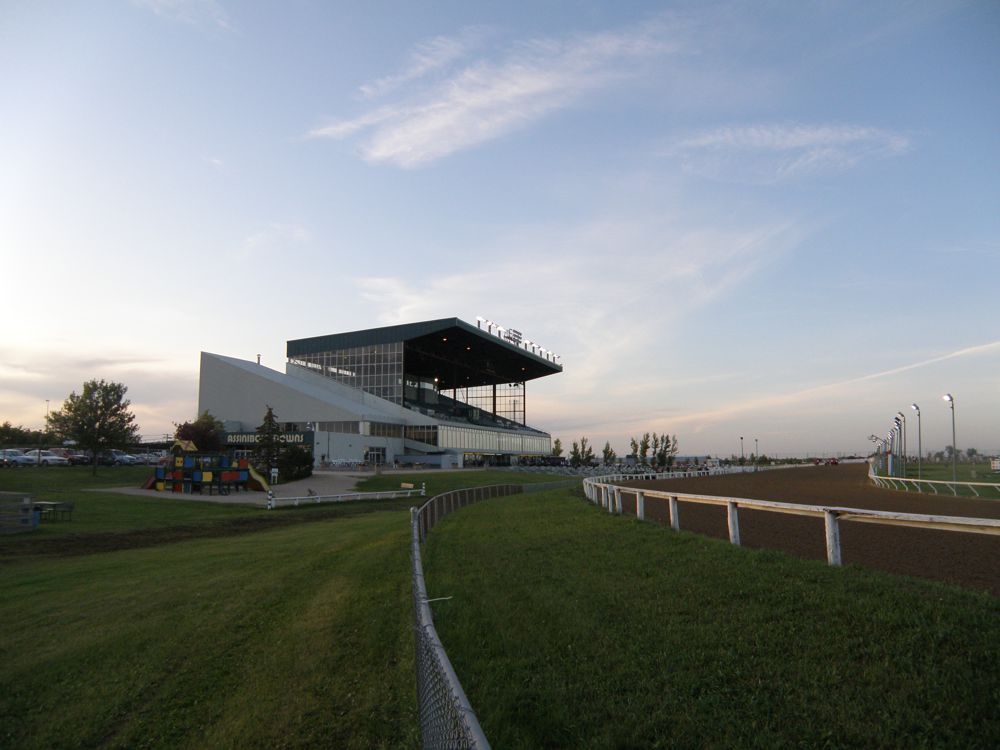
We have to be immensely proud of Assiniboia Downs! The Downs was built on a solid foundation of racing history, compliments of Jim Speers, Father of Thoroughbred Horse Racing on the Canadian Prairies. In addition, there were always good people around to ensure that the sport not only survived but thrived.
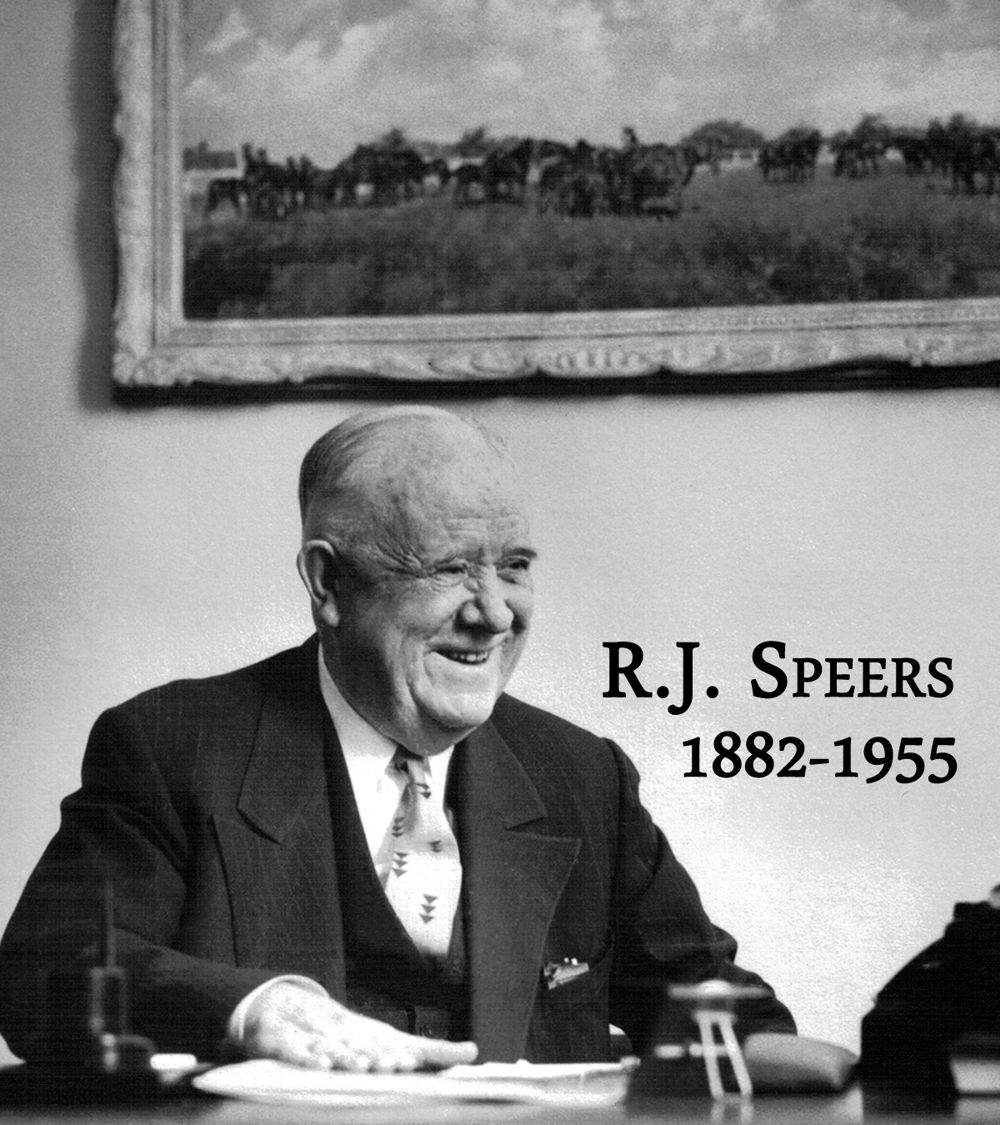
R.J. Speers (Speers’ Family)
It all began when Speers and a couple of partners took over a three-year lease at old River Park in south Winnipeg in 1922. In 1924, Speers was the driving force behind the construction of Whittier Park racetrack on the banks of the Red River in St. Boniface. In 1925, Polo Park racetrack was added to the mix, which saw racing held at all three tracks that year (River Park, Whittier Park, and Polo Park).
The foundation for thoroughbred horse racing as we know it today consisted of 35 years of racing from 1922 to 1956. River Park operated for five seasons (1922 to 1925 and 1934), Whittier Park had 19 (1924 to 1942), and Polo Park raced for 22 seasons (1925 to 1956) before it went dark on July 4, 1956.
During this period, horse racing survived the Great Depression (1929 to 1939) and World War II (1939 to 1945). On the plus side, Speers didn’t have the competition that Assiniboia Downs faces these days, but operating a business during the Depression and a World War had to have been a huge challenge.
Speers knew that as Winnipeg grew, the Polo Park site would become far too valuable to be used only for summer race meets. In the early 1950s, Speers took out an option on 200 acres in the then Municipality of Assiniboia. His plan was to build a modern track. At the same time, he sold an option on the property at Polo Park to a group of investors who planned to build what would become Polo Park Shopping Centre.
On July 19, 1955, racing icon Robert James Speers suffered a massive heart attack and died at the age of 72. He never divulged his plans for the replacement of Polo Park. Polo’s closure was a foregone conclusion following the death of Speers. Simply stated, no one from his estate had the drive or desire to keep racing going.
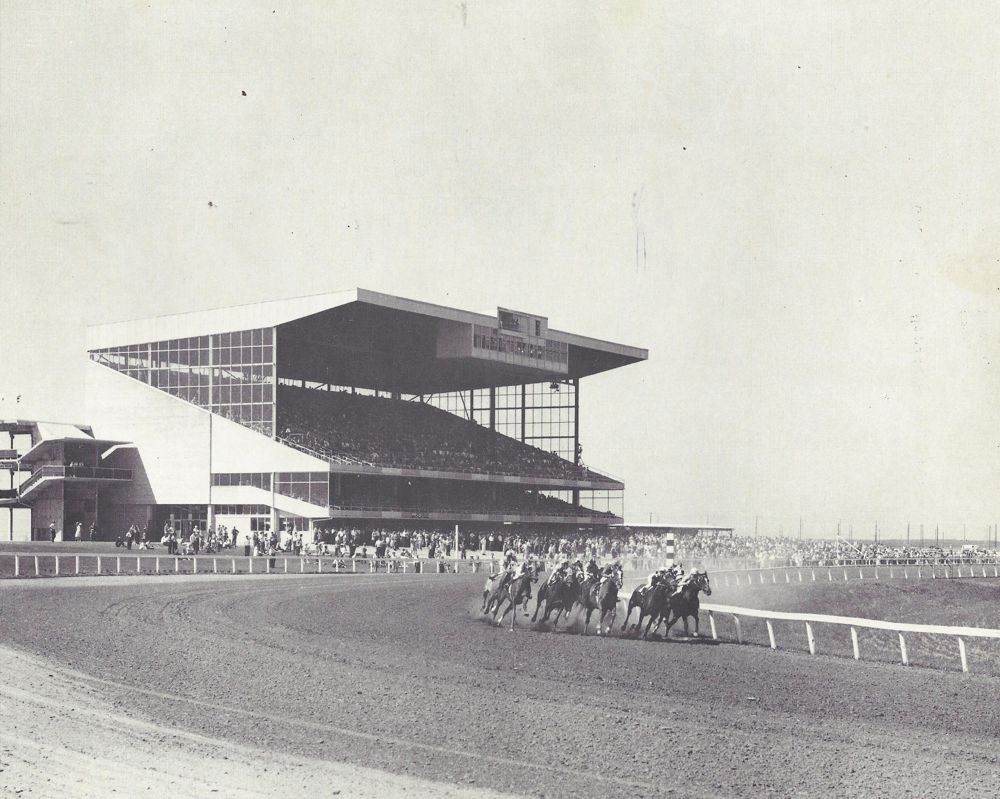
Assiniboia Downs circa 1960. (Downs Archives)
It took most of 1957 for plans to evolve to see that racing returned to Winnipeg. Jack Hardy of National Motors stepped up, and the rest is history. There have been trying times for the Portage Avenue track, but the Downs has survived it all: the 1982 foreclosure, the 2004 press box fire, and, of course, the global pandemic of 2020, to name a few.
These days, the Downs faces challenges that Speers could never have imagined. Topping that list is the competition for the gambling/entertainment dollar. In addition, there is the constant challenge of maintaining a respectable horse population, and you can’t ignore the always-pressing need for capital expenditures given the fact that the Downs will soon be 70 years old.
So, we salute Jack Hardy, Jim Wright, and the Manitoba Jockey Club (MJC). The MJC includes its Board of Directors, past and present, Chairs: the late Harvey Warner and Dr. Norm Elder, as well as the Downs’ Chief Executive Officer, Darren Dunn, and Vice President, Finance and Gaming, Sharon Gulyas.
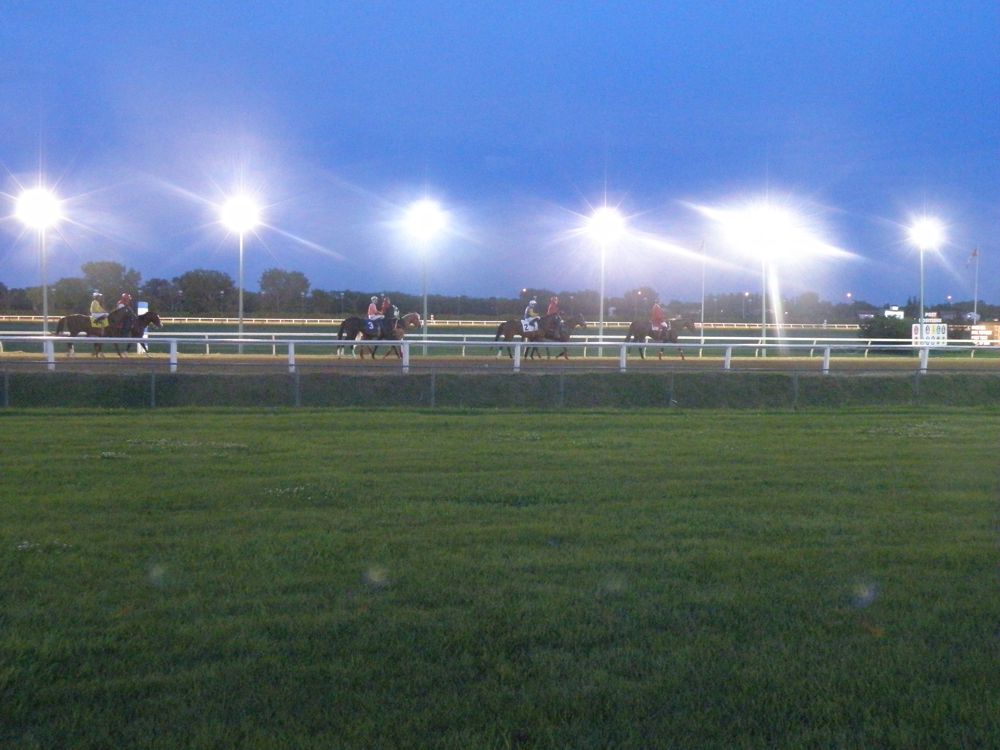
Going to Post in the Speers 2009. (Bob Gates)
Monday, while the young and upcoming Steve Keplin Jr. accepted the Speers trophy, I started thinking of Robert James Speers. It is difficult to explain how proud I am to be involved in these ceremonies. I have had the absolute privilege to present this trophy in 12 of the last 14 years. It’s an honour that doesn’t get old.
I couldn’t help but look at where we are, the challenges faced, and wonder what Speers might have done and what he would think of where we are.
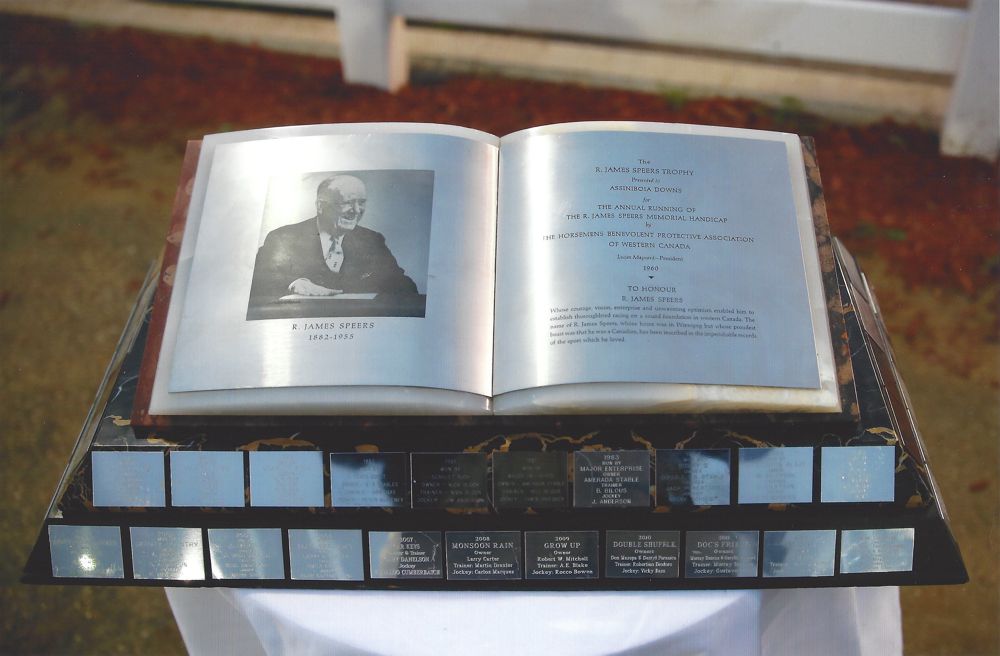
The Speers’ Trophy (Jason Halstead / Assiniboia Photo)
After a few moments of idle daydreaming, I returned to the here and now, just as the wiener dogs prepared to take the track. There was little doubt in my mind that Speers would have loved the horse racing product. He, as much as anyone else, would have realized that different times called for innovative strategies. I’d like to think he’d be impressed with Family Fun Nights, Girls’ Nights Out, and everything else the Downs puts on to keep its guests entertained.
As for the wiener dogs? You had to be in awe of the roar of approval as the crowd jockeyed for position to get the best view of the short, four-legged cuties.
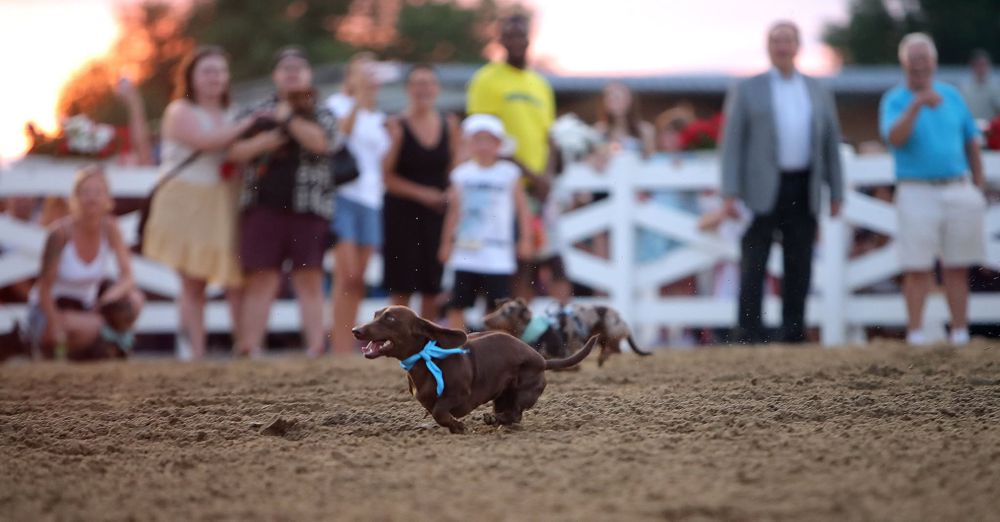
Wiener Dog Races July 13, 2026. (Jason Halstead / Assiniboia Photo)
There is so much history behind the Speers, and doggone it…
The 2026 edition was a wonderful example of how tradition doesn’t have to be sacrificed to keep up with the times.
Historian Note: As I put the finishing touches to this story, I noticed that today is July 19, 2026. Mr. Speers passed exactly 71 years ago; may he rest in peace.